CONSTROMECHTMEngineering Solution

Industries · Cement

Cement PlantsChain Equipment Systems

Chain and steel-cord belt bucket elevators for every stage of a cement plant, from the quarry to dispatch — and what changes when you move from chain to belt.

6
Plant stages
6
Chain types
6
Products

Upgrade path

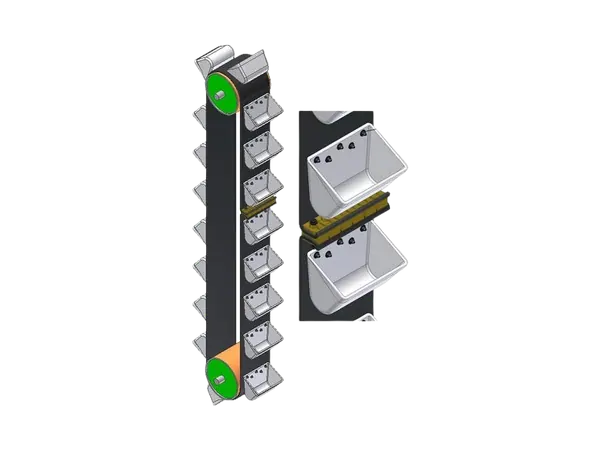
Transition from Chain to Belt Bucket Elevators in Cement Plants

Key Benefits of Belt Elevators in the Cement Industry

  • Higher Lifting Heights: Steel cord belts can comfortably reach vertical lifts up to 175 m — ideal for tall preheater towers or cement silos.
  • Lower Dynamic Load: Smooth and continuous motion reduces wear on structure, head shaft, and motor.
  • Quieter Operation: Significant noise reduction benefits cement mills and urban plants.
  • Reduced Downtime: No lubrication or pin-bushing checks; eliminates chain sag issues.
Application Zones Best Suited for Belt Elevators

  • Cement Mill to Cement Silo Feeders
  • Raw Meal Feeding to Preheater Tower
  • Gypsum and Additive Feeding Lines
  • Finished Product Elevation for Packing Units

Key Technical Parameters for Belt Design

  • Steel Cord Belt Strength: ST800 to ST3150 (1000–3150 N/mm) (Higher customizable sizes available).
  • Bucket Fixing: Through-bolted (steel-backed buckets) or moulded recesses
  • Belt Speed: 1.4–1.8 m/s (Higher customizable speeds available).
  • Bucket Pitch: 300–500 mm depending on material & speed (Higher customizable sizes available).
  • Belt Width: 500–1600 mm (Higher customizable sizes available).

CONSTROMECH Capabilities

Turnkey upgrades from chain to belt elevators, including:

  • Drive station modifications
  • Belt selection and supply (DIN/ISO grades)
  • Head pulley, bottom pulley, take-up, and bucket fixing kits
  • Custom elevator casing designs for belt conversion
  • Engineering support for lift >100 m and capacities >1000 TPH

Chain vs Steel-Cord Belt Bucket Elevators

ParameterChain Bucket ElevatorSteel Cord Belt Elevator
Speed0.6 – 1.2 m/s1.2 – 1.8 m/s
Lift HeightUp to 70 m (typical), max ~90 mUp to 175 m
Capacity100 – 600 TPH150 – 1200 TPH
Noise & VibrationModerate to highVery low
Maintenance NeedsFrequent lubrication, chain elongation checkMinimal; belt stretch negligible in steel cord
Temperature LimitUp to 250–400°C (clinker)Up to 150°C standard, 200°C for short-term HR grades
Service LifeChain wear after 2–4 yearsBelt life 4–8 years (if aligned & tensioned)

Chain types used in cement plants

Chain TypeApplicationsKey Characteristics
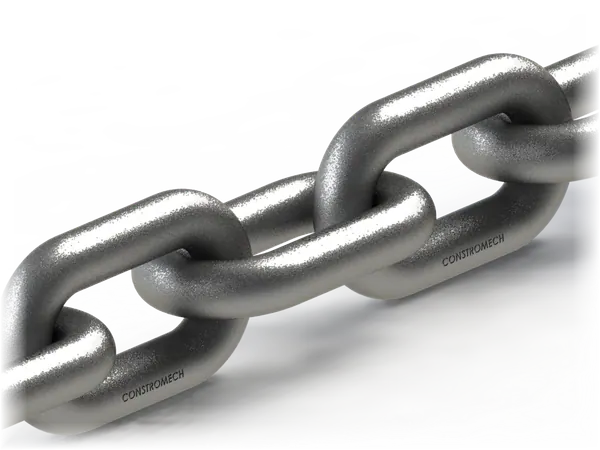
Round Link ChainBucket elevators (raw meal, clinker feed, packing), reclaimer chainsCompliant with DIN 764/22252; surface-hardened up to 62 HRC; suited for abrasive duty
Central Forged ChainBucket elevators (hot clinker), deep pan conveyors, drag conveyorsPrecise pitch control, wear-resistant links, heavy load-bearing, works up to 400°C
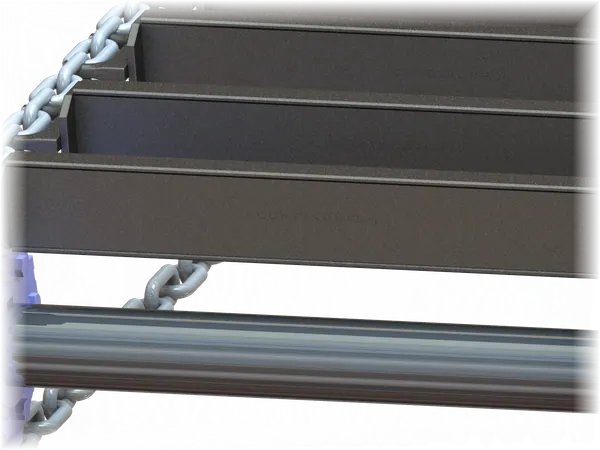
Drop-Forged Scraper ChainDrag conveyors, clinker dust flow conveyors, ESP ash conveyingRobust scraper design; dust-sealed operation; custom scraper flights (flat/U-type)
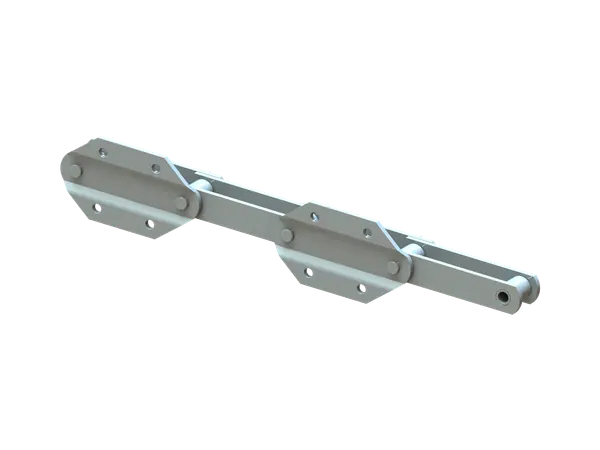
Plate Link ChainClinker pan conveyors, apron conveyors, heavy-duty clinker transportBuilt for hot, sharp clinker (300–500°C); sidebars with thick pin and bush assembly
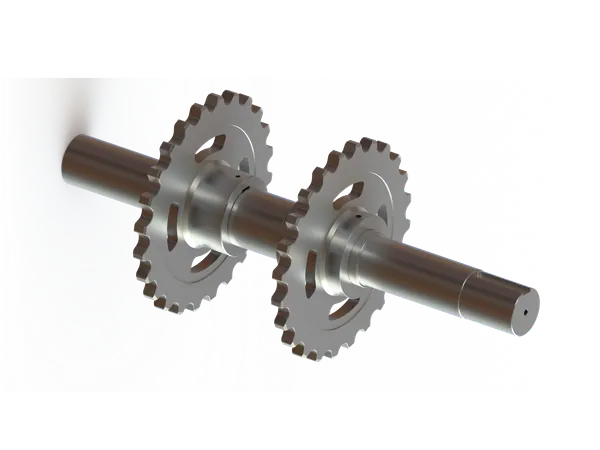
Toothless & Toothed SprocketsAll above systems; paired with above chain typesMachined or segmented tooth rings; surface-hardened; precision aligned with chain pitch
U-Shackles / DIN AttachmentsBucket-to-chain connection points (elevators and reclaimers)Forged alloy steel, heat treated, with spring-locked pins for vibration-prone areas

Steel-cord belt bucket elevator – typical specification

ParameterTypical Range / SpecificationDescription / Remarks
Belt Width400 mm to 1600 mmDepends on elevator capacity and bucket size; wider belts for clinker or high TPH
Belt ConstructionSteel Cord Reinforced with rubber coverHigh tensile strength with low elongation, stable in long vertical lifts
Tensile Strength1000 N/mm to 3150 N/mm (DIN ST1000 – ST3150)Higher grades used for clinker or tall elevators (≥ 60 m)
Number of Steel Cords7–24 (based on width and load)Arranged in parallel, embedded in rubber; zinc-plated for corrosion resistance
Cover GradeWear Resistant (W), Heat Resistant (HR), Oil Resistant (OR)HR preferred for clinker and hot cement; OR for gypsum and additives
Cover Thickness (Top/Bottom)4+2 mm to 8+4 mmThicker covers for high abrasion zones; bottom cover may be reduced for drive traction
Bucket Fixing MethodThrough-bolt (punch hole) or moulded recessed holesSteel-backed buckets bolted through belt; ensures minimal slippage
Belt Speed1.2 – 1.8 m/sOptimized for throughput vs. belt tension and wear
Max Lifting HeightUp to 175 metersFor raw meal, cement, or preheater feeding
Capacity Range150 – 1200 TPHBased on material density, speed, and bucket arrangement
Splice TypeHot vulcanized (preferred) or mechanical clamp (temporary)Hot vulcanized preferred for long-term reliability
Pulley DiameterMin. 630 mm to 1600 mmSized as per DIN 22101 and belt manufacturer recommendation
Temperature ResistanceUp to 150°C (HR), optionally 200°C for short durationsRequired for hot clinker or preheater feeding
Cement Plant ServicesRetrofit, capacity enhancement, conversion and commissioning — zone by zone through your cement plant.View services

CMECH Technical Services

How our field team supports cement plants

Every engagement is carried out by our own field engineers — from the first inspection to commissioning and hand-over.

How we work
  • Site Inspections & Equipment Audits

    Bucket elevators, conveyors, ash systems, reclaimers

  • Installation & Commissioning Supervision

    Chains, buckets, bearings, drive units, structural supports

  • Corrective & Preventive Maintenance

    Hot/cold chain replacement, sprocket rebuilds, belt tracking

  • Retrofit & System Upgradation Projects

    Chain-to-belt elevator conversions, scraper design mods, capacity enhancements

  • Operational Optimization Support

    Root cause analysis, performance tuning, load balancing

Chains or spares for your cement plant?

Send us your drawing or requirement — we respond within one business day.